Loading...
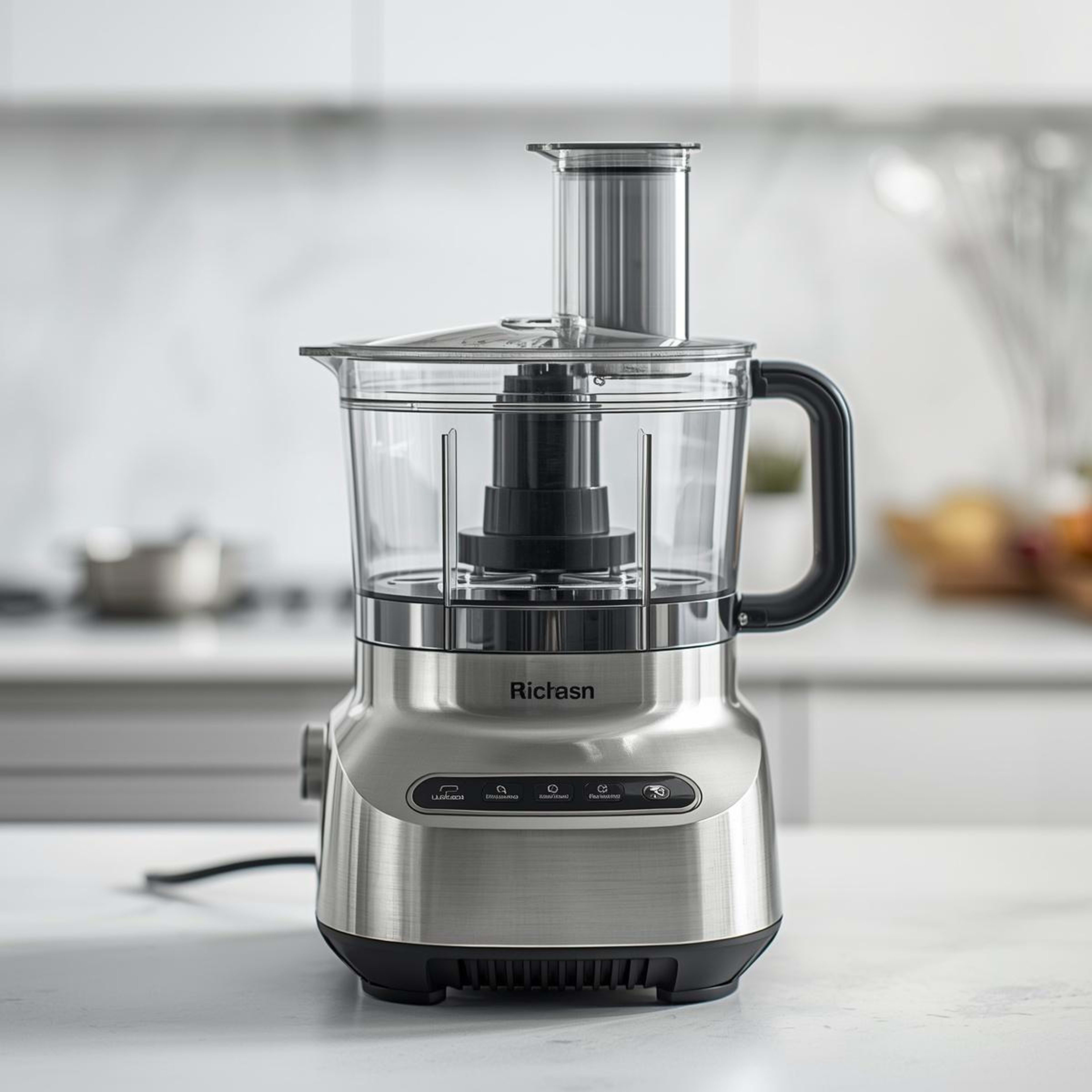
Top Food Chopper for Quick and Simple Kitchen Preparation
5/10/2026
Global
Food Processor
I love it, but chopping onions with tears in my eyes and a cutting board full of shrunken vegetable bits is not always fun. Bringing us to when a food chopper finds its way into my kitchen. It saves time, keeps prep clean and makes everyday cooking more like a regular meal than an endurance event.
Here is what I’ll cover:
What a food chopper does
Here is Why I like to use one for easy meal preparation
Manual vs electric options
Most Eligible & Important Features to Make Sure Prior To Purchase
Ideal scenarios for vegetables, herbs, fruits and nuts
Cleaning and care tips
FAQs before choosing one
What Is a Food Chopper?
A food chopper is a miniature kitchen device that dices ingredients into smaller parts. I utilize onions, garlic, carrots, herbs; vegetables, fruits, nuts and other common ingredients.
Some models work by hand. Others use electricity. Both essentially fulfill the same purpose: chopping food faster than a knife would in most routine cooking scenarios.
I still use my knife for a few things. A chopper is not here to steal the show from the chef. Rather, it is the benevolent sous chef that does all the painfully dull bit before moving on to take its coffee breaks.
Why do I use a food chopper in my kitchen?
I use a food processor because it saves time-saving. It may sound trivial, but that is important. When I am preparing soup, salad, curry or a pasta sauce and stir-frying anything I have to chop probably takes longer than the cooking itself.
It also assists me in acquiring even pieces. This means vegetables are cooked more evenly. By the way, nobody wants half cooked carrots next to mushy onions.
What is the difference between Manual Food Chopper and Electric Food Chopper
A manual chopper is simple. I press, twist, or pull a string and the blades slice through food. It tends to be less expensive, lighter and more convenient to keep in your pantry or even refrigerator.
An electric chopper is faster. I just hit a button, and it takes care of the hard work for me. I love this for larger batches, sauces, dips or all around cooking often.
Which One Do I Prefer?
Since I like a manual model for quick onions, herbs and garlic. Electric is my preference for larger prep. Simple lessons learnt: Small jobs, Manual. Big job, electric. No kitchen drama needed.
Best Uses for a Food Chopper
A food chopper serves most of the day-to-day purposes. I mostly use it for vegetables since they appear in almost every meal.
Vegetables
Supports onions, carrots, peppers, tomatoes, cabbage, cucumbers and celery. First I chop large sections then use chopper for the fine work
Herbs and Garlic
When handled with a knife the fresh herb can be challenging. They are easier to handle with a chopper. Garlic and ginger become easier to slice.
Fruits and Nuts
I use it for apples, berries, dates, almonds and walnuts. It is one’s breakfast bowls, desserts, and baking prep companion.
Sauces and Dips
This is all the ideal for it as a food chopper for any form of salsa, chutney or pesto-style mixes to rekindle yourself with simple dips. For larger blending jobs, my food processor guide would be a more appropriate place to evaluate options.
Features I Check Before Buying
I do not purchase kitchen tools simply because it is visually pleasing in pictures I look at the stuff that counts.
Sharp Stainless Steel Blades
When you think about it, this is simple: sharp blades are sharper and faster. Insufficiently sharp blades will crush rather than chop food. Which can result in uneven, watery vegetables.
Strong Bowl Capacity
For garlic and herbs, a small bowl is perfect. For family meals, I would always go with a bigger bowl. Seeing through containers is also good for me because it allows me to see the consistency while chopping.
Safety Lock
I also always look for a lid that locks securely. This is friendship between fast blades and the loose lids.
Non-Slip Base
This maintains the tool at a steady base. Especially with firm vegetables and this is where some people just don't realize how much that matters.
Easy Cleaning
I prefer removable parts. If a tool is difficult I tend to avoid using it. Then it turns into a shelf decoration, which I have already plenty of.
Selecting the Right Food Chopper
I consider my cooking style before picking a food chopper.
A small hand-cranked model may be just the trade-off if all I do is cook a few times per week. An electric model will save me more time if I cook every day.
I also think about space. Small kitchens need compact tools. Storage space may be the deciding factor for whether a large appliance makes it onto the work surface or into storage, so with this in mind many consumers prefer to use king size mini choppers when possible.
Food Chopper vs Food Processor
A food chopper is more compact and basic. Food processors, on the other hand, is big and can perform many more tasks than just chopping, including slicing, shredding, mixing and blending.
A chopper is the fastest friend I see. I think of a processor as the big machine for heavy recipes.
I don't want to wash a giant appliance when all I want is chopped onions, herbs or nuts. This is why during the daily prep, the smaller tool usually wins.
Common Mistakes I Avoid
I avoid overfilling the bowl. Overeating has inconsistent effects. Chop in small batches, its much better.
In addition, I avoid making additions of very hard stuff unless its stated on the product that it can handle such things. Blades are multiple, but far from superhuman.
After cleaning, I dry the blades. This aids in maintaining a sharper appearance for an extended time.
How I Clean and Maintain It
I rinse the bowl and blades immediately after using a food chopper. Food items also dry out quite quickly and nobody is fond of dried onion chips.
Warm water and a light soap are my go-to for cleaning the removable components. And if the parts are dishwasher-safe, well that is just a cherry on top. Even now, I have to process them carefully because they can be sharp enough to get me by surprise.
All component parts I allow to dry before storage This helps in removing odour and makes the tool less stinky.
Should You even Purchase A Food Chopper?
Q: Should you buy it? (Both Skillet & Cookware) A: Yes, if you cook mostly every day. It saves time, reduces mess and simplifies meal preparation.
A food chopper is good for anyone who has a busy schedule including professional chefs, working mothers, students and even an inpatient husband like mine who just wants to cook fast without creating a vegetable warzone in my kitchen.
If you do not cook often, see if you would need one. Consider though that if you do a few times a week chopping, the tray will welcome your hands for days and become one of your most used utensils.
Conclusion
The best food chopper is the one that works with your cooking style! I would select a manual option for small, quick servers and an electric one for ongoing meal prep or larger batches.
Search for suitable blades, a secure best, stability degree, easy to scrub and also appropriate measurements. If you make the right choice, it makes kitchen prep faster, cleaner and a heck of a lot less annoying! And sure, your onions might still tear you up, but at least they do it for shorter.
FAQs
What can a food chopper be used for?
I use it for chopping vegetables, herbs, garlic, fruits, nuts and small ingredients we frequently use in our everyday cooking.
And should it be a manual or electric model?
Manuals are more effective for short-term tasks. Electric is best for speed and larger quantities.
Can I chop onions in it?
Yes. Some of the most effective ones are onions. I prepped them in chunks first to get better results.
Is it a substitute for a food processor?
Not fully. Good for quick chopping, a processor handles larger, more diverse tasks.
How often should I clean it?
I clean it after every use. This helps keep odors at bay and extends blade life.