Loading...
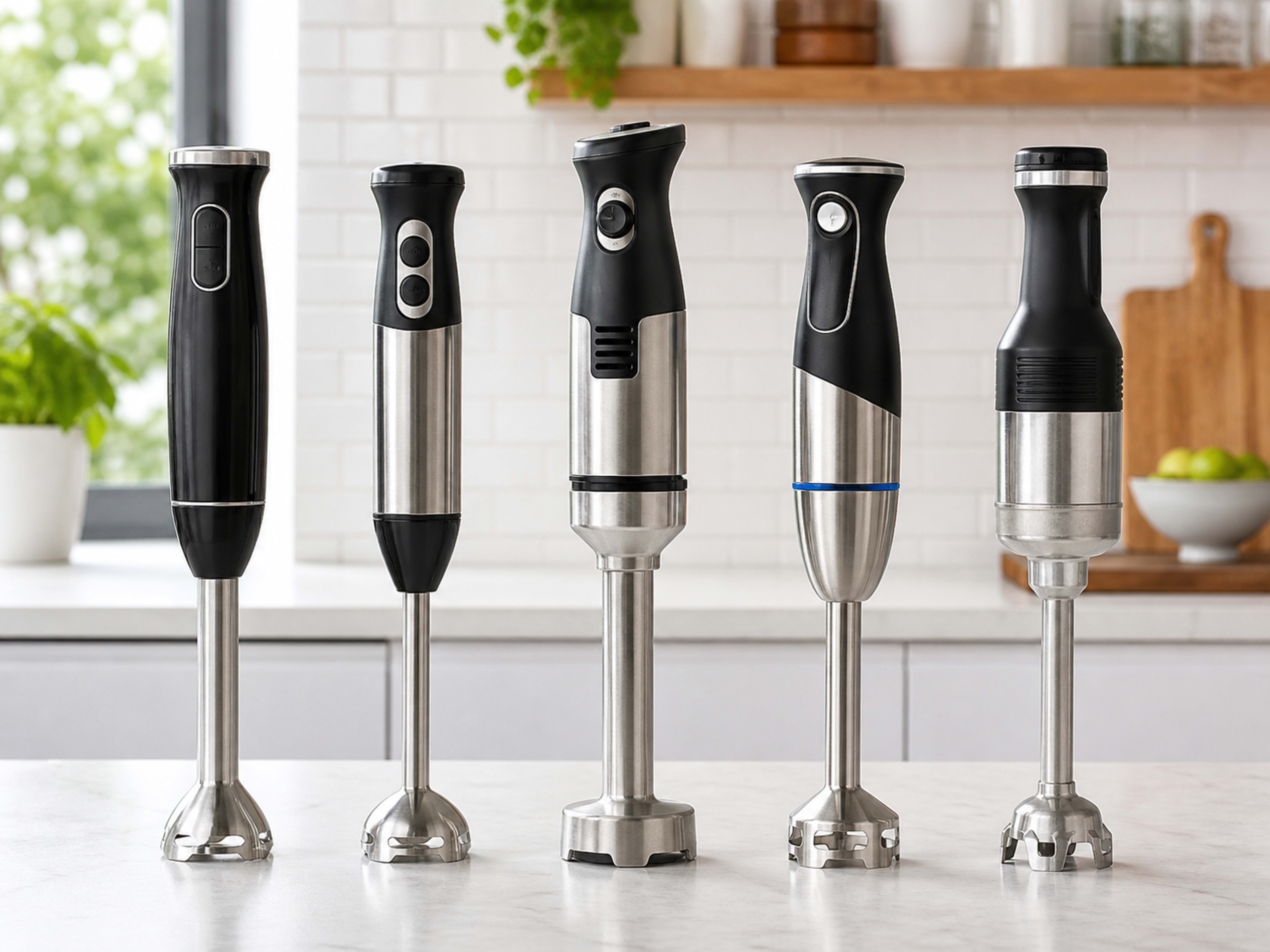
Commercial Hand Blender Buying Guide: How to Pick the Best Model
5/5/2026
UK
Cooking Equipment
A hand blender is among the most helpful devices in a hustling business kitchen. Hand blenders are widely used by restaurants, hotels, cafés, catering businesses, bakeries and food production kitchens for preparing soups, sauces, purees, dressing batters, creams and many other foods. A hand blender is simply better, it can be much faster than a countertop blender because they work directly in the pots, bowls and containers.
People search many terms such as What is a hand blender, an immersible blender, soup blender and which hand blender is best before buying. You might also need a hand blender or two if you only use it at home. However, the specification you pick when it comes to a restaurant hand blender is important for businesses in foodservice. It must be an durable and strong enough commercial model designed to withstand daily use and easy maintenance.
What Is a Hand Blender?
A hand blender is a type of blending machine used for mixing, blending, pureeing, emulsifying and processing foods that are placed directly in a cup or container. The other popular names are immersion blender, immersible blender or stick blender. The blending shaft goes into the food, and a motor turns a blade at the tip of that shaft.
Using a hand blender is very convenient when you are in a commercial kitchen as the chefs can directly use the same pot to make soups or sauces without transferring it into the jar of a separate blender. Which, in turn, saves time and cost from mess to keep clean & efficient workflow during peak service hours.
Usefulness of a Hand Blender in Commercial Kitchens
Commercial hand blender is specially designed for professional food preparation. It can assist your kitchen staff in making silky soups, sauces, marinades and salad dressings, cream mixtures, baby food, fruit purees and dessert bases. The other use for hotels and restaurants is when preparing for a banquet, in the buffet kitchens or for cooking large batches of food.
A decent hand blender will help accelerate your workflow. Instead of doing small batches one by one, the kitchen staff can process directly in larger pots or containers. Which is a perfect solution for any foodservice operation needing quick prep and want high quality.
Hand Blender vs Countertop Blender
Countertop For drinks and smoothies, this is good for small liquid {batches}. But it generally involves moving things from a jar around. This can prove troublesome when handling hot soup or larger lots of sauce.
So comparatively, a hand blender is more flexible because it can be used right inside the cooking pot or any other mixing container. For instance, if you are making tomato soup, pumpkin soup, or creamy vegetable soup a chef can take a hand blender and use it in the stockpot to finish off the texture within seconds. That is why most of the commercial kitchens also call it a soup blender.
The hand blender is easier for soups, sauces and purees as well as batch preparation so this tool is often a better fit for restaurants. If it's a smoothie bar or beverage shop, you may still need this feature, Many professional kitchens use both.
You can easily eat augmented data hands blender; however, proper management is critical. For starters, make sure your blending shaft is fully within the ingredients before you turn on the machine. This helps prevent splashing. Always begin at low-speed (if the model has speed control) and increase speed based on need.
With the blender on, move it slowly into the mix. Avoid lifting the blade above the surface as it does its work, especially when blending anything hot. Turn off and unplug the machine, clean the shaft and blade carefully after use according to the manufacturer’s instructions.
It is recommended that you use the size container that matches the length of the blender shaft. A short shaft fits containers that are small; deeper pots require a longer shaft.
6 Must Check Features Before Buying
Power is one of the first factors we recommend to consider when selecting a hand blender in commercial use. A higher motor power works for thicker soups, sauces, purees and more daily use. Don't buy light-duty units that lack the power necessary for your kitchen's large-batch preparation.
Shaft length is also an important factor. The shaft is useful for deep pots and also have longer nonce shaft for bigger containers handy, but you may just need a short shaft if making bits for small cafés or prep stations. The majority of commercial kitchens would resort to stainless steel shafts as they last longer, are less prone to bacteria and relatively easier in terms of cleaning.
Another useful feature is speed control. Different recipes call for different blending speeds. Even more control over texture, especially useful for sauces, soups, emulsions, or creamy mixtures (hand blender with adjustable speed)
Comfort and handling also matter. A commercial hand blender must be convenient for holding and well-balanced so that staff felt safer using it during busy preparation times. All foodservice kitchens need to be cleaned, but easy cleaning is key to success.
What's the Best Hand Blender for Your Business?
The best hand blender for you is really about what your kitchen looks like and how many you have to prepare in one day. Whereas, a small café might require a mini commercial model for sauces, dressings, and once-in-a-while soups. A commercial kitchen would require a stronger batch blender for everyday use, plus large pots and thicker mixtures.
Heavy-Duty Commercial Hand Blenders: Recommended for hotels, catering kitchens, and banquet operations.Choose a more powerful motor as well as longer shaft length. As these kitchens prepare food in bulk, soup, sauce and puree durability is of utmost importance.
Useful in bakeries and dessert shops for creams, fillings, fruit purees and dessert sauces. Here, the control and smooth blending are a priority.
Cleaning and Maintenance Tips
Every time you use a hand blender, clean it well. Food particles can accumulate around the blade and shaft, which compromises hygiene and performance. Before cleaning transform the machine into off (0) mode by disconnecting it from electricity (plz do leave working resort charged for at least 10-15 min poos in prevailing). Never submerge the motor body in the water unless explicitly stated by the manufacturer. Use a wet cloth to wipe the handle and motor housing and gently clean the inside of the shaft and blade.
Maintaining your machine will prolong its lifespan and ensure the quality of food you serve is uniform. Staff must also monitor the condition of blades regularly and never use the blender on materials too hard for the machine.
Why Choose Betterking Kitchen?
Betterking Kitchen offers commercial kitchen equipment for restaurant, hotel, café, bakery, catering and foodservice projects. Betterking Kitchen commercial hand blender is ideal for those that require practical, sturdy and effective appliances to support their daily food preparation.
Whether you require a soup blender for restaurants, an immersion blender for sauces or a commercial hand blender suitable for hotel and catering use, picking the proper model can accelerate speed, enable consistency in dishes that require blending, and promote efficiency in your kitchen.
Final Thoughts
Any commercial kitchen that creates soups, sauces, purees or dressing of a high quantity will benefit from having at least one hand blender. Compare motor power, shaft length, speed control, material quality, easy clean-up and daily workload before you buy.
And please, do not select purely by price for commercial use of an unsupported version. Select a hand blender on the basis of your menu requirements, kitchen space, and the preparation of food. A good commercial hand blender will save you time and enhance the texture of blended food while minimizing mess so that your kitchen can serve consistent results daily.