Loading...
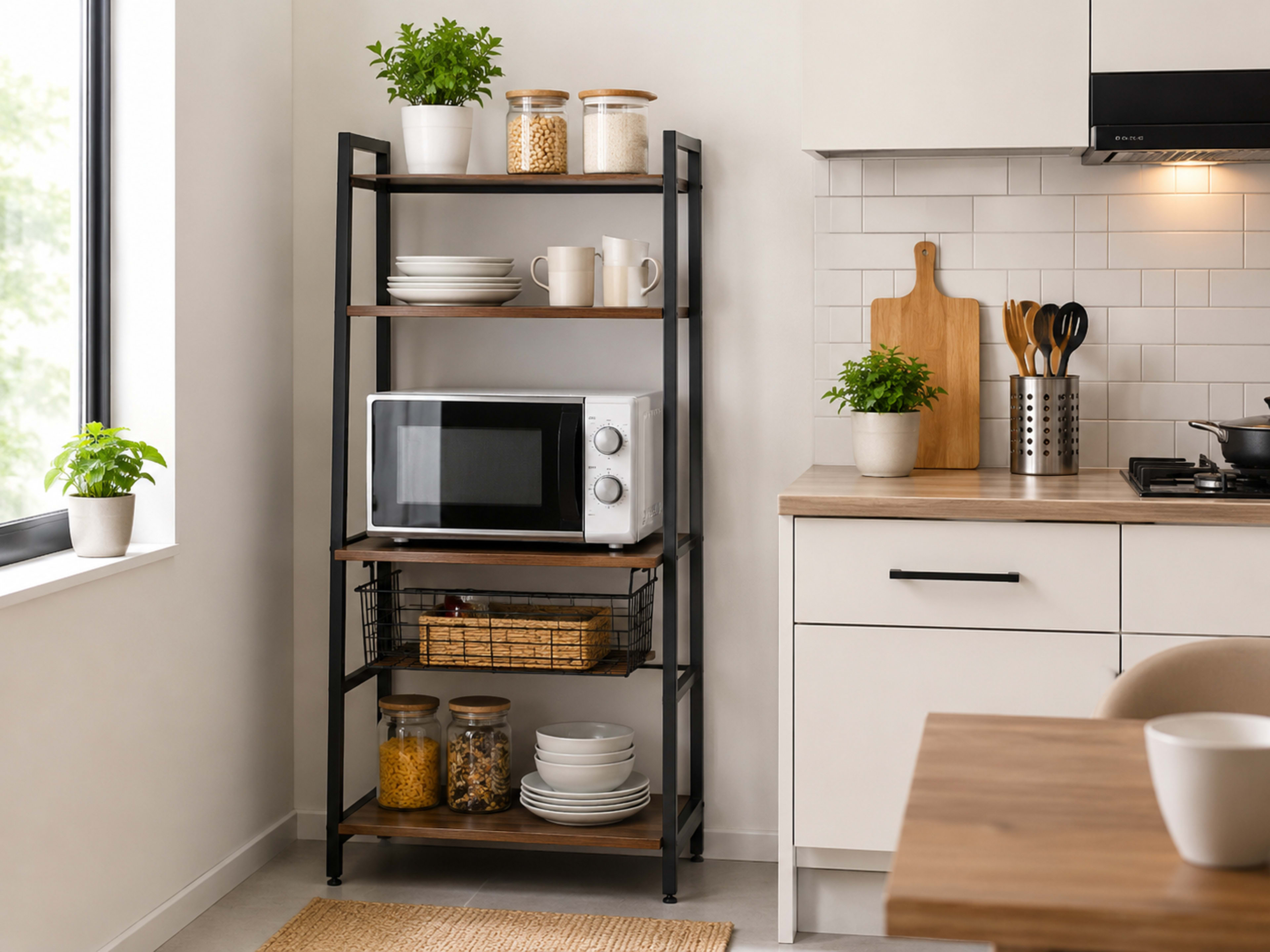
Best Space Saving Microwave Stand for Small Kitchen
5/15/2026
uk
Kitchen Furniture
It was just so old fashioned and something that I enjoy using is kitchen tools that solve a very clear problem. Electric Meat Slicers do that. They allow lunch prep without giving your arms a small workout in the process by slicing deli meat, cheese, bread and cooked roasts into equal portions.
My goal is simple. My aim is to help you pick a slicer that suits your kitchen space, pocket, and cooking habit.
What you’ll learn:
7 Reasons You Will Need Electric Meat Slicers for Home and Small Kitchen
Top features I look for before making a purchase
How I evaluate home models and commercial-style slicers
What safety details matter most
How to clean your slicer and store it without hating on the task
Answers to common buyer questions
This is Why I Love Electric Meat Slicers
I crave control in the kitchen.
Electric Meat Slicers, I can adjust the slice thickness and repeat it. Thin turkey for sandwiches? Easy. Thicker sliced roast beef for dinner plates? Also easy. The cheese slices that dont yea look like they got its ass whooped? Very welcome.
A stiletto-style knife can work fine, but rarely delivers the same result multiple times. A cut is held steady with the aid of a slicer. This is useful when preparing meals, lunch boxes, party trays and snacks.
My other favorite aspect is the savings angle. Deli meat that has been pre-sliced is certainly useful, but generally more expensive per pound. Reduce waste by buying larger cuts and only slicing what I need. It also keeps food fresh.
Having said that, I treat a slicer as if it were a toaster. A toaster understands a sleepy morning. A blade does not.
Who Should Buy One?
Look at Electric Meat Slicers if you eat lots of sandwiches, prepare in batches for the week ahead, have guests over frequently or operate a small-scale food operation.
At home I want a small but sturdy machine that is easy to clean. Only if you cut a lot on weekly basis, do you NEED a huge model. A smaller one is still adequate ● Cooked meats, hard cheese as well as prepared vegetables and bread
For regular use, I check heavier models with powerful motors and large blades. These are better for a longer stay in slicing. They required more counter space, so I measure initially. I have enough residents on my counter as is.
This might not be for you if you're only slicing food once every couple of months. But you buy deli meat every week or roast stuff often, it can earn its place.
Features I Check Before Buying
I start with the blade.
Home slicers typically have blades ranging from 7.5 to 10 inches. Basic home use works great with the more natural offering for smaller blades. More volume above larger blades izin for more cut depth. Why: I like stainless steel as it does not rust and is easier to clean.
Next, I check thickness control. The top Electric Meat Slicers allows me to shift from thin slices to thicker cuts without battling the dial. And of course, there are clear settings which feel a whole lot better than vague knobs that resemble kitchen roulette.
Motor power matters too. 150W to 200W can be enough for simple projects at home. More power and sturdier construction are what I prefer for thicker foods or longer usage. Most will say that a feeble motor may have trouble with hard cheese or cold meat.
I also check the carriage. It should glide smoothly. If it holds, slices can be uneven and not in a straight line. The machine is more easy and safer to use due to a smooth carriage.
My safety checklist is short:
Blade guard
Food pusher
Non-slip feet
Stable base
Easy power switch
Removable parts for cleaning
I skip if a slicer slides up the counter Sandwiches do not need suspense.
Home Use vs Commercial-Style Models
Home use Electric Meat Slicers are generally light weight and easy to store. They are ideal for doing the weekly meal prep, lunch meat, cheese and bread, and cooked roasts.
Commercial type models are larger and heavier. They usually have bigger blades, more power and stay consistent for longer mixes. They are gold in cafes, small delis, working catering set-ups or the serious home kitchen.
What I tell myself is very straightforward: anything you buy for your real use, not the one you spend fantasy money on.
If I am making turkey slices two times a week, then I do not need a device that appears primed to turn the 7 AM doors on to a delicatessen. If I am slicing food for customers on a daily basis, I don't want a small unit that will need some down time (up every few minutes).
Safe, stable, adjustable and easily cleaned meat slicers at home should be in the hands of most computers.
How I Use One Safely
I keep the setup simple.
I put the slicer on a flat surface. I ensure that the feet cling to the counter. Check the blade guard and food pusher. I was then ready to set it up thickness-wise before powering it back on.
Data Save the Date: October 2023 (70) Never touch food with fingers. I always insert the food pusher. Confidence is nice. Fingers are nicer.
I avoid rushing. This provides cleaner slices, as it is a slow, steady push. I pause whenever the motor seems to be working too hard and inspect the size, texture or temperature of what I am trying to get it to process. After the slice, I turn the machine off (and I unplug it!) to get everything cleaned up.
Cleaning and Maintenance
Food hides in small places, and that is why I care about cleaning.
Removable Parts: In fact, Good Electric Meat and Cheese Slicers should have removable parts. It has a removable blade, carriage and also food tray making the job even easier. If it takes longer to clean the machine than to slice, I know I chose the wrong one.
My basic cleaning steps:
Unplug the slicer.
Set thickness back to zero.
Remove loose food pieces.
Take off removable parts.
You wash the parts as per manual
Mob the physique chip.
Dry everything before storage.
I do not soak the motor base. I refrain from using rough scrubbers on coated areas. I also look at the blade care guidelines. Some blades can be sharpened. Others need replacing.
No one wants to have yesterday's salami come call on today's cheese.
How I Compare Value
Value to me is not simply determined by price.
What use is a cheap slicer that wanders around, cuts unevenly and takes forever to clean? A future cabinet decoration.
I evaluate value on 5 criteria: uniformity of slices, margin of safety, time needed to clean up, motor power and storage space.
Electric meat slicers that are well-rated typically do well on these factors. They do not need to be fancy. They have to work safely, over and over again.
I apply a similar approach to purchasing the rest of my gear (check out this practical guide on how to buy without wasting money), and if unsure, I find myself periodically looking at needless lights/knobs/features that driven yet uninformed people blindly pursue. I ignore the flashy statements, and focus on that which works in practice.
What Size Should I Choose?
If you have a small kitchen, I would opt for a smaller model. Something that is light enough to move, but heavy enough not to move.
ELECTRIC MEAT SLICERS FOR HOMESTEADS: I prefer mid-size Electric Meat Slicers on for families. They are a compromise among power, storage and price. These are great to have for lunch boxes during the week, meal prep on the weekend, and killer for snack boards!
I would look for something along the lines of a slicer you would find commercially (for use in restaurants) for small businesses. Longer sessions will be attainable without worrying about overheating. Cleaning up between the foods should be easy too.
Don't buy without measuring your counter and cabinet first. Slicers may appear smaller when viewed online. Many things do. Sofas, treadmills, and dreams included.
Shopping Tips Before You Order
Things to look for include blade size, wattage, materials, safety features, cleaning steps, whether or not you can remove certain parts and warranties and replacement blades.
There are reviews that help, but I read patterns not single complaints. Angry reviews can be user error and one And if ten reviews say the same thing about something…
I also consider what my routine. Will I use it weekly? Can I clean it fast? Do I have space? The same sort of practical reason that works for home gear as well, as this guide to a budget setup provides.
When searching for the best electric meat slicers, prioritize build quality, safety, and easy cleanup over added functionality when it comes to bells and whistles. Electric Meat Slices — they should more practical than fussy.
My Quick Recommendation
7.5-inch To 10-inch Stainless Steel Blade800 to 1500 wattsBlessed choice of thickness controlNon-slip power footsDesign: These electric meat slicers I would pick for regular houses also include a blade guard, food pusher, removable tray, and healthy easy-wipe-down body.
If you slice more regularly, invest a few extra dollars for better build quality. If you swing like a mondays with your slices, use size described shoes rack.
FAQ
Is it safe to have Electric Meat Slicers for home?
Yes, they can be safe if used correctly. As always I use the food pusher, keep hands from blade and unplug before cleaning.
Can I slice cheese with one?
Yes. Firm cheese works best. I chill soft cheese first when I want clean slices—it tends to stick or smear.
Can I use a slicer for bread?
Yes, bread is a common food product made with flour products and raw materials other than flour. For softer loaves, a serrated blade performs better.
This article answers the question of whether I have to own a commercial model at home.
Usually, no. I will only be choisissone one when I cut large lots often ou que je is user so much a lot of time.
How thin can it cut meat?
That depends on the model. Some units cut deli-thin slices. Some do well with medium thickness. I check for slice consistency with real user reviews before buying.
How often should I clean it?
I clean it after every use. Meat and cheese and crumbs can tuck into tiny spots. A cleanionate now gets a coarse clean later.
Final Thoughts
Electric Meat Slicers are helpful when it suits your schedule.
I enjoy them for the time savings, consistency while slicing, and just a more controlled feel to food prep. Electric Meat Slicers are best at friction sandwiches, cooked meats cheese bread bring prep
My advice is simple. Choose a steady machine. Check the safety features. Make sure cleanup is easy.
Now, Electric Meat Slicers are supposed to be life savers and not plug in another chore.