Loading...
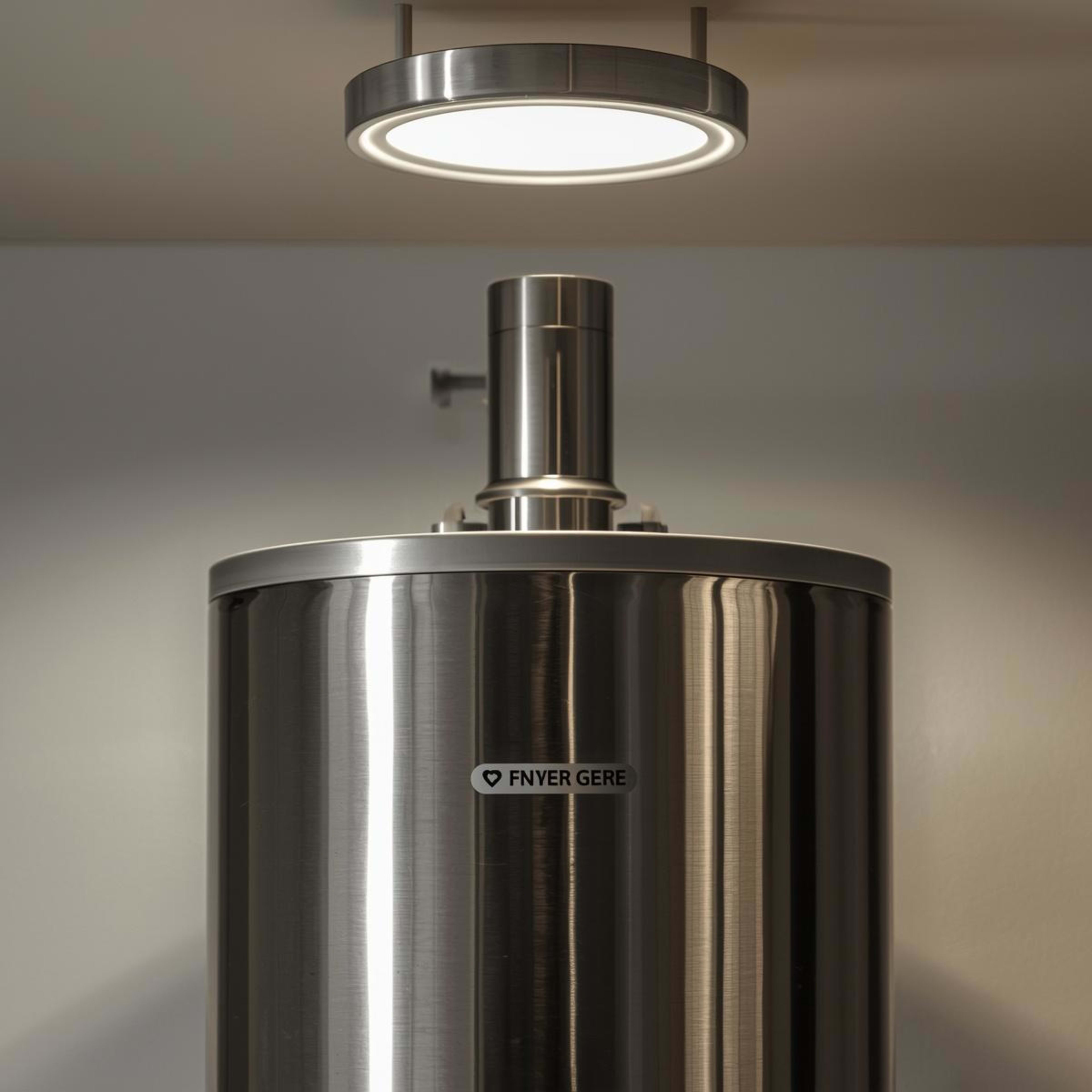
Top water heater for your home: quick, powerful and reliable hot water
5/10/2026
Global
Washing & Sanitizing Equipment
I don’t have a problem with taking long leisurely showers but there is nothing more miserable about having freezing water coming down when you thought it would be warm. This is why, in my home there has to be a dependable hot water heater. It keeps showers even, saves time, and makes living much easier in the winter.
What I will cover in this article
What a water heater does
Importance of water heater in every house hold
Types of water heaters
Essential features to look for before the purchase
How to select the appropriate dimensions and capacity
Installation and maintenance tips
FAQs before making a purchase
What Is a Water Heater?
Water Heater: A water heater is a home appliance that heats water for use in household activities (e.g., cooking, cleaning, bathing, and space heating). I use mine every single day, and truthfully I can not remember how I lived before it.
A water heater heats water instantly or with a storage tank and maintains it at a desired temperature. There are different kinds, and the best one for you depends on your home requirements and the layout of your kitchen or bathroom.
Why I Think a Water Heater Needs To be One
Hot water, then, is no longer a luxury. I’ve found it essential for:
Comfortable showers
Cleaning and hygiene
Food preparation activity that needs hot water
Energy saving towards the individual boiling of water
A good water heater means I don't have to wait a while for hot water, or take freezing showers every few days when the temperature waivers. This is a small investment that makes day to day lives so much easier.
Types of Water Heaters
There is no standard to all water heater. I ultimately choose on what I actually need versus what physical space allows.
Tank Water Heaters
They store hot water in a tank and work well for properties with known hot water demand. I can always depend on them for back-to-back showers in the morning when the family is around.
Tankless Water Heaters
Tankless heaters instantly put out hot water when needed. If I want to have energy efficiency, a smaller footprint in the home, then I love this option.
Solar Water Heaters
If you have continuous sunlight, solar water heaters are economical as well as eco-friendly they lower power bills. This option is long term savings and sustainability I'm trained on data until Oct 2023.
Heat Pump Water Heaters
They are electricity based systems that transfer heat from air into the water. They work on electricity and are perfect for you if you are trying to cut your monthly utility bills.
Features I Check Before Making the Purchase
When picking a water heater, I look for features that impact day-to-day use:
Capacity: water heater tank size or flow rate should your household needs. I typically count the showers, loads of laundry and hours washing dishes.
Power Efficiency: I prefer models that have good energy rating to save some bucks in the electricity bill.
Temperature Control: Thermostats that are adjustable (the one you will find in windows or air conditioners at home) are crucial from the standpoint of comfort and safety.
Ensuring safety features: Automatic shut-off, Pressure-relief valves and anti-scald technology are necessary
Durable Tanks: Stainless steel tanks or other corrosion-resistant materials increase the lifespan of the heater.
How to Choose the Right Size
Selecting the appropriate dimensions is essential. I always consider:
Number of family members
Times of day when water use peaks (like mornings and evenings)
How often we do the laundry or use the kitchen
A family with 4 has common to use a tank water heater around 50–80 liters or a tankless where it usually can work aroundm7–10 liters per minute.
Installation Tips
I always recommend professional installation. A licensed plumber can:
Connect Water and Electricity Properly
Install safety valves correctly
You must check that there are no leakages and the system works efficiently
While going for a DIY installation may sound promising but put you in the scene of danger and lowered efficiency. So I have direct experience of the energy wastage and early unit failures which results from badly installed units.
Maintenance Tips
I keep my water heater working by keeping it running forever:
Annually flush the container to wash dirt
Once every 6 months, examine the stress aid valve
In electric models, check the heating elements
Do not have any clutter around the area where it is, leave clear space for air to move around
General maintenance is all that it takes to make sure your hot water never gets interrupted, or prevents any breakdown at all.
Common Mistakes I Avoid
Common water heater mistakes I avoid;
The tank is either overfilled or used more than recommended
Neglecting energy configurations and running on peak temperature unnecessarily
Skipping regular maintenance checks
Selecting a heater that does not suit household requirements
Those tiny blunders can add up for repairs (and energy expenses) in the long term.
Water Heater or Instant Hot Water Faucet
Others instead, think of installing an instant hot water faucet. Useful for kitchens though, it does not replace a hot water tank to provide hot and cold water or wash cloths / showers / laundry. I take both of them into account, depending on usage.
Conclusion
The water heater system is an important part of a comfortable living. So, model selection is based on domestic size, efficiency and durability. As long as you have the proper unit, there is no cold showers and I never run out of hot water again, and household chores just become so much easier.
When upgrading, or even buying your first unit, focus on capacity, efficiency safety, and maintenance. Proper planning now saves you the headaches later and keeps your home running like a clock.
FAQs
How to choose the right water heater for the family of 4?
The tank water heater is 50–80 liters whereas the tankless variety has a flow rate of between 7 and 10 liters every minute.
Water heater maintenance frequency
In order to avert any problems, I flush the tank every year and check valves and items bi-annually.
In fact, boiler systems originated from design complexities that kept the heater continually on for a significant portion of the day, which necessitated an alternative to manage water temperature. Tankless hot water systems proved highly economical as they do not consume energy continuously to maintain hot standing creek. There is excellent stability in maintaining run times due to their direct capability of being able to be activated if needed.
Yes, they heat water as needed and use less electricity then tank water heaters.
Well, given my experience (not to boast), why shouldn't I install the heater myself?
Most of us do not have experience with something like this, which is why I would recommend a professional installation for safety purpose and making sure everything is proper connected and efficient.
How long does a water heater last?
Many water heaters have a lifetime of 10–15 years with proper maintenance, depending upon type and use.